
When we’re designing beautiful kitchens, it’s easy to focus on door styles, finishes, and layout details. But today, I want to talk about something small that plays a big role in long-term performance: the heat shield.
If you’re using our RTF (Rigid Tough Finish) near heat-emitting appliances like ovens and ranges, this is one detail you don’t want to overlook.
Why Heat Is Something We Have to Plan For
Every time an oven door opens, it releases a rush of heat—often 350 to 400 degrees. While that heat may only hit the surrounding cabinetry for a few seconds at a time, it happens again and again… for years. Over time, consistent exposure to high heat can impact the sides of doors and drawer fronts that sit directly beside those appliances. That’s where the heat shield comes in.
What Is a Heat Shield?
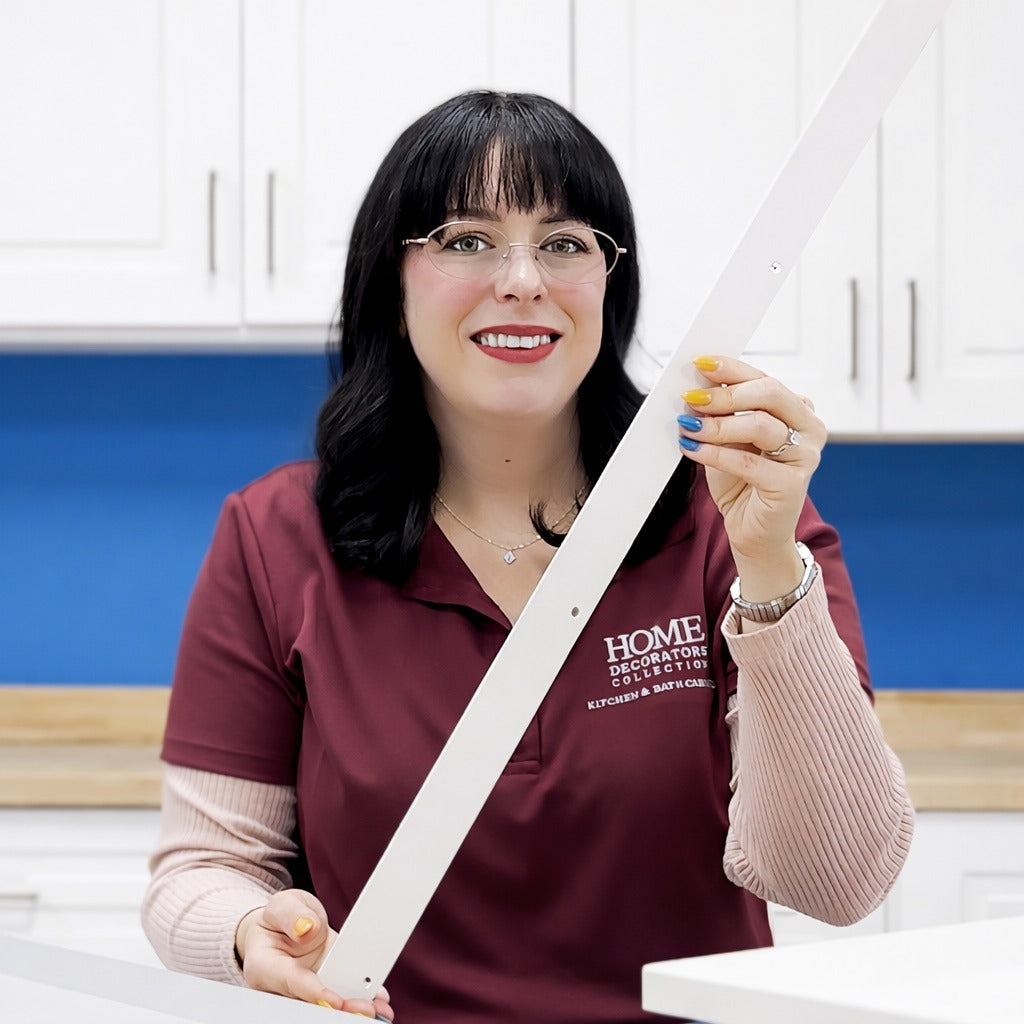
A heat shield is a slim, protective piece that installs directly onto the face frame of the cabinet next to a heat-emitting appliance. It’s just 1/16" thick, so it doesn’t add bulk or change the overall look of your design. Once installed, it sits slightly past the cabinet surface, creating a subtle but important barrier between the appliance and the side of your doors and drawer fronts. It’s simple, discreet, and incredibly effective.
Why Designers Should Include It
When you add a heat shield to your order, you’re doing more than checking a box. You’re:
-Protecting the sides of doors and drawer fronts
-Reducing repeated direct heat exposure
-Supporting longer cabinet life
-Helping ensure a performance-driven installation
This is especially important with RTF, where thoughtful planning around heat sources supports long-term durability. And the best part? It’s an easy add. It screws directly into the face frame and integrates seamlessly into the cabinet structure.
Designing for the Next 10–15 Years
Our goal isn’t just to create kitchens that look beautiful on install day; it’s to create kitchens that hold up to everyday life for the next decade or more. Adding a heat shield is one of those small, proactive decisions that makes a measurable difference over time.
If you’re working with RTF near ovens or ranges, make sure this detail is part of your design process. Remember: great design isn’t just about how it looks... it’s about how it lasts.
For more Erica Explains breakdowns, helpful cabinet tips, and behind-the-scenes insights from our team, follow us on Instagram and stay connected @HomerDesignTools